

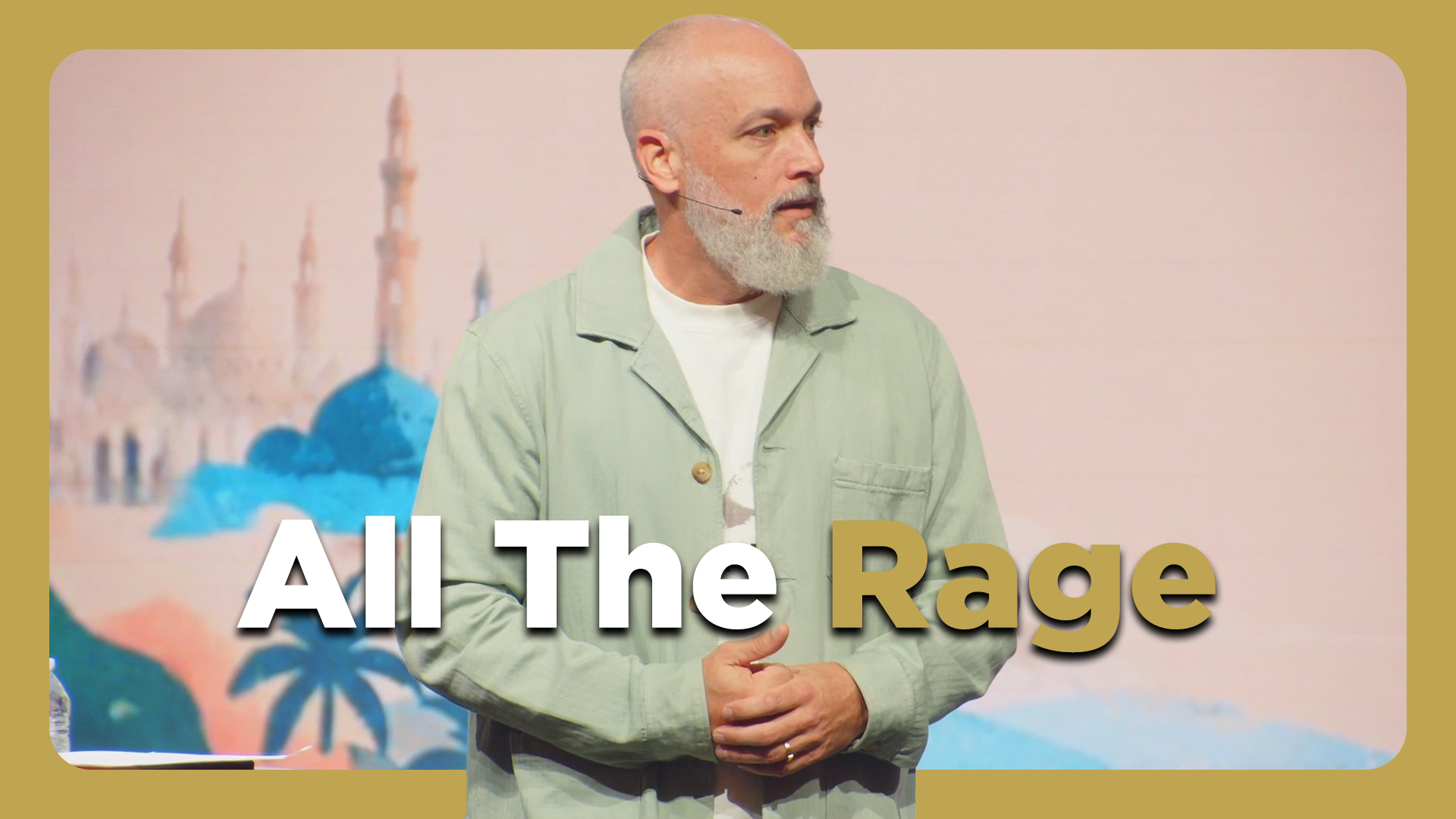
Recap:
When we think about missions, Nehemiah chapter 4 probably isn’t the first passage that comes to mind. But there’s something in this story that helps us understand not only the world we’re living in, but the heart of God for the nations.
Nehemiah returns to Jerusalem to rebuild the walls of a city that has been devastated. But as the rebuilding begins, opposition rises. A man named Sanballat becomes furious. Scripture says he raged against the Jewish people.
That word jumped out at me because it connects to another passage, Psalm 2:1: “Why do the nations rage?”
Why do the nations rage? Why do people resist God, reject His Word, and sometimes respond with such hostility toward the gospel?
When Scripture talks about nations, we’re not simply talking about countries with geographical borders. We’re talking about people groups. And today, billions of people around the world still live without access to the gospel. They don’t have the opportunities we have. We can open a Bible, listen to a sermon, or search for answers about Jesus whenever we want. Many of them cannot.
But before we point fingers at people who resist God, we need to understand something about ourselves.
Romans 3 tells us that no one is righteous, not even one. We’ve all turned away. We’ve all fallen short. The natural disposition of the human heart without Jesus is to resist God.
And sometimes that resistance doesn’t look like open rebellion.
When I was fifteen, I’d grown up in church. I attended Christian school. I knew the right answers and followed the rules. Outwardly, I looked like a good kid. But inwardly? My heart was far from God.
I was raging against Him.
We recognize that there’s a standard we cannot meet, and that produces fear and shame. Sometimes our response is anger. We resist the very God who wants to rescue us.
So here’s the question: If people resist God, if some nations actively oppose the gospel, and if taking the message of Jesus into those places can be dangerous, why do we keep going? Why do we pray? Why do we give? Why have we spent millions of dollars sending missionaries around the world?
Because the heart of God is always redemption and blessing for everyone.
If you hear nothing else, hear that.
God wants to redeem the story you’re in. He wants to bless you. And that heart isn’t reserved for those of us sitting in a church in Johnson County. It’s His heart for every people group on earth.
Psalm 2 describes the nations raging against the Lord and His Anointed. But then God makes an extraordinary promise to His Son: “Ask me, and I will make the nations your inheritance, the ends of the earth your possession.”
What does God want with the nations?
John 3:16–17 tells us. God loved the world so much that He gave His only Son. He didn’t send Jesus into the world to condemn the world, but to save it through Him.
God’s heart is redemption.
And His heart is blessing.
Psalm 2 ends with this promise: “Blessed are all who take refuge in him.” That takes us back to Genesis 12, where God calls Abraham and promises that all the families of the earth will be blessed through him.
From the beginning, God’s heart has been reaching toward the nations.
I experienced that personally as a fifteen-year-old sitting on a bunk bed at a Christian school retreat. We were supposed to have quiet time, so I opened my Bible and started reading. And right there, Jesus met me. He redeemed me. He blessed me.
That’s what God desires for people everywhere. That they would have an encounter with Jesus that changes everything.
So how do we respond when the nations rage?
Nehemiah 4 gives us three possibilities.
We can quit. The task looks too big. Too many people. Too many languages. Too much money. We look at the need and decide it’s impossible.
Or we can retreat. We pull back into our comfortable Christian circles, where everything feels safe. Sometimes we even begin raging back at the people God has called us to reach.
Or we can choose a third response: Remember God and get to work.
That’s what Nehemiah told the people. “Don’t be afraid of them. Remember that the Lord is great and awesome.” And then they returned to building the wall.
I keep an image of Jesus reaching down to Peter as he’s sinking in the water. It reminds me that when everything feels overwhelming, I can call out, “Lord, save me.”
We’ve got to remember who God is before we look at how impossible the task seems.
And then we’ve got to get to work.
For us, that means three things: pray, give, and go.
Pray for our missions offering. Pray for a missionary. Give what you can, whether that’s thousands of dollars or five or ten. Don’t underestimate what God can do with what you offer.
And go. Maybe that’s Mexico or Scotland. Maybe it’s your neighborhood, your child’s school, or a college campus. The nations are right here among us.
You don’t have to go across the world to reach the nations. You might only need to go next door.
But wherever you go, go with the heart of God.
We’re not going to quit because the work is difficult. We’re not going to retreat because the world feels hostile. We’re going to remember the God who redeemed us, trust Him with what’s ahead, and get to work.
So will you pray? Will you give? Will you go?
And will you carry His heart with you?
Always redemption. Always blessing. For everyone.
Group Questions:
Icebreaker:
What’s a time you took on something that seemed way too big or overwhelming at first? What helped you keep going?
Discussion Questions:
- Understanding why we resist God – Romans 3:10–18 describes the human tendency to turn away from God. The sermon challenged us to recognize that resistance isn’t just something we see in other people. Where have you seen fear, shame, or a desire for control cause you to resist what God was asking of you?
- God’s heart for the nations – The central statement of the message was, “The heart of God is always redemption and blessing for everyone.” As you look at Psalm 2, John 3:16–17, and Genesis 12:1–3, how do these passages shape your understanding of God’s heart toward people who don’t know Him or even openly reject Him?
- Experiencing redemption personally – The pastor shared how Jesus met him at fifteen, even though he was outwardly following the rules while inwardly far from God. Have you experienced a moment when God met you personally or changed the direction of your heart? How does remembering that experience influence the way you see others who haven’t encountered Jesus?
- The temptation to quit or retreat – In Nehemiah 4, some wanted to quit because the work seemed impossible, while others wanted to retreat to safety. When it comes to sharing your faith or participating in missions, which response do you find yourself leaning toward? What makes that response appealing?
- Remember God and get to work – Nehemiah 4:14 calls God’s people to remember that the Lord is great and awesome. The pastor used the picture of Jesus reaching for Peter as a reminder to call on God when things feel overwhelming. What has God done in your life that you need to remember when obedience feels intimidating or beyond your ability?
- The nations are closer than we think – We often picture missions happening overseas, but the sermon pointed out that the nations are also in our schools, neighborhoods, and communities. How might recognizing the people God has already placed around you change the way you approach relationships and opportunities to share His love?
- Pray. Give. Go. – We were challenged not just to believe in missions, but to participate. As you consider these three responses, where do you sense God inviting you to take a step? What might that look like in a practical, specific way over the next few weeks?
Closing Prayer Focus:
Pray that God would give each person a heart for the nations that reflects His own—a heart of redemption and blessing. Ask Him to replace fear, indifference, and the temptation to retreat with compassion, courage, and obedience. Pray for missionaries serving in difficult places, for people who have never heard the gospel, and for the opportunities God has placed right in front of us.
Ask God to speak clearly to each person about what it means for them to pray, give, and go.