

Recap:
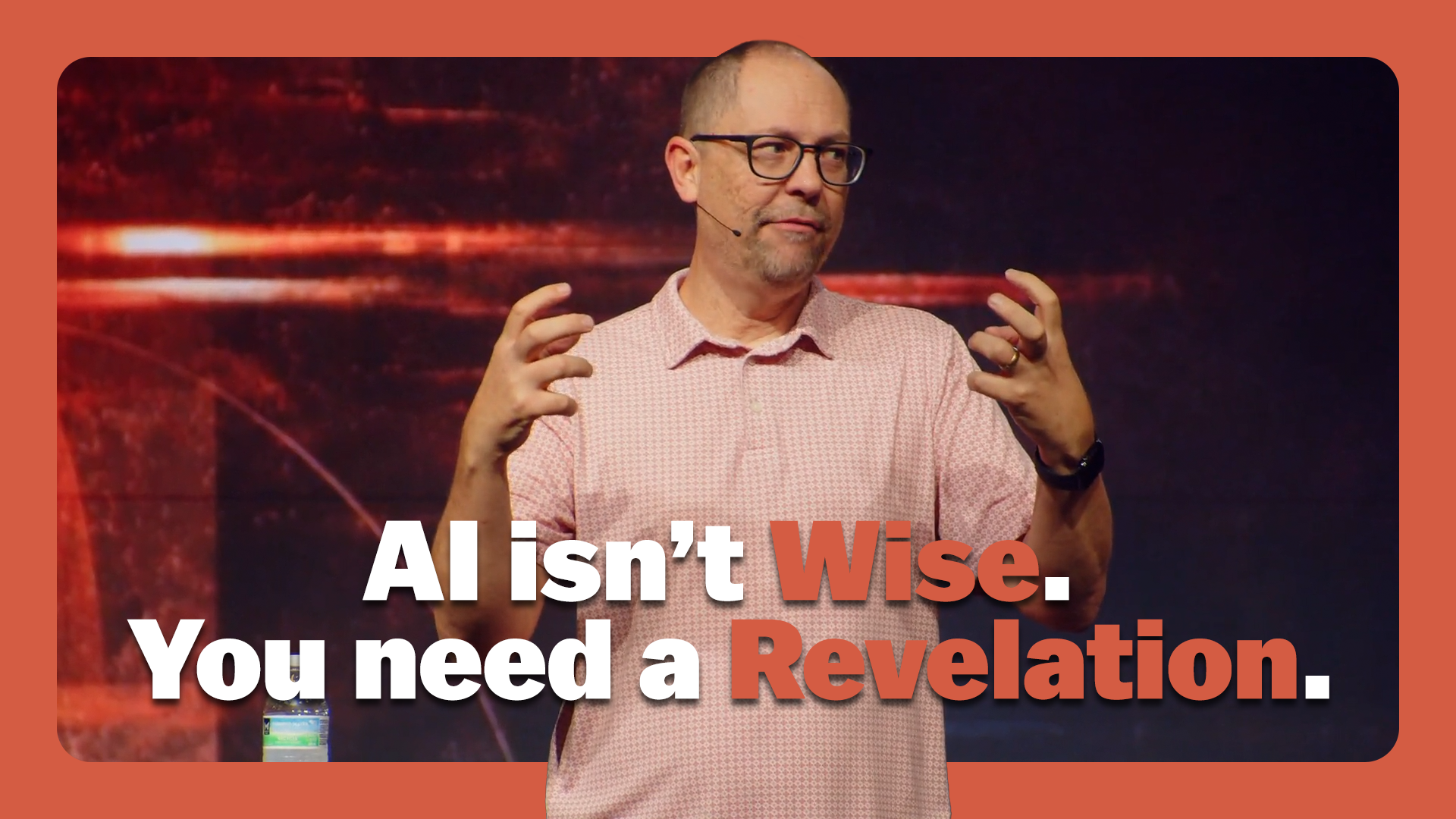
We live in a world with more information at our fingertips than ever before. AI can answer questions, explain Scripture, summarize books, and give us facts almost instantly. But more information does not automatically make us wiser. And knowing information about God is not the same as actually knowing Him.
There is a progression in our spiritual lives: information, knowledge, wisdom, and revelation. Information says, “I know about it.” Knowledge says, “I’ve encountered it.” Wisdom says, “I’m going to live according to what I know.” Revelation is when God opens the eyes of our hearts so we can see Him more clearly.
The religious leaders surrounding the birth of Jesus had all the information. They knew the prophecies and knew where the Messiah would be born, yet they never made the journey to worship Him. You can know everything about Jesus and still miss Jesus. Christianity was never meant to simply fill our heads with facts; Jesus invites us into a real relationship with Him.
And what we know eventually has to become wisdom, truth walked out. Wisdom forgives when we would rather stay angry. Wisdom gives when it would be easier to hold on. Wisdom trusts God when we cannot understand what He is doing. The cross is not simply something we believe; it becomes the way we live.
That matters in an age designed to remove friction from our lives. Technology can make things faster and easier, and those tools can be incredibly useful. But following Jesus will still involve friction. Forgiving is difficult. Loving people costs us something. Trusting God when He seems silent is uncomfortable. The goal is not a frictionless life; the goal is to be conformed into the image of Christ.
AI can give us information, but it is still a something, not a someone. It cannot replace the presence of another person praying with us, carrying our burdens, or sitting beside us when life is hard. And it certainly cannot replace God Himself.
That is why we need more than information. We need revelation. Paul prayed that the eyes of our hearts would be enlightened. The disciples on the road to Emmaus heard Jesus explain the Scriptures, but then their eyes were opened, and they recognized Him.
That is our prayer too: “God, open the eyes of my heart.” When we do not know what to do with our family, our health, our relationships, or our future, we can turn to the One who knows us completely.
Revelation doesn’t just change what you see; it changes how you live.
Jesus did not simply send us information about God. He sent Himself. So learn, ask questions, and use the tools available to you, but don’t settle for knowing about Jesus when you can actually know Him.
Group Questions:
Icebreakers
- What’s something you know a lot about because you’ve actually experienced it, not just read about it?
- What’s one technology or app that has made your life noticeably easier?
- When you need an answer quickly, what’s usually your first instinct: Google it, ask someone, figure it out yourself, or pray about it?
Discussion:
- The sermon talked about four stages: information, knowledge, wisdom, and revelation. Which of those stood out to you most, and why?
- What’s the difference between knowing information about God and actually knowing God personally?
- The religious leaders knew where the Messiah would be born, but they never went to Bethlehem. Why do you think it’s possible to know a lot about Jesus and still miss Him?
- The message defined wisdom as “truth walked out.” Where is there something you already know is right, but you’re struggling to actually live it out?
- The sermon said our culture is increasingly designed to remove friction from our lives. How can that affect the way we respond when following Jesus becomes difficult or inconvenient?
- Think about forgiveness, generosity, serving others, trusting God, or carrying someone else’s burden. Which one currently feels like the greatest area of “friction” for you?
- “AI is a something, not a someone.” Where do you think technology can be genuinely helpful in our spiritual lives, and where could it begin to replace things that were meant to happen through relationship with God or other people?
- Paul prayed that God would “open the eyes of your heart.” What do you think spiritual revelation looks like in everyday life?
- The disciples on the road to Emmaus had Jesus right beside them but didn’t recognize Him until their eyes were opened. Have you ever looked back on a situation and realized God was working when you couldn’t see it at the time?
- What situation in your life right now makes you want to pray, “God, open the eyes of my heart”?