

Recap:
We have been walking through this Wilderness Fast all month long – fasting something that feeds the body and something that feeds the noise. It has been good, but it has also been hard. That is often how God works in the wilderness. He strips things back, quiets the distractions, and begins doing deeper work in us than we first expected.
Over these weeks, we have looked at the inward places of the soul. We talked about Elijah in the wilderness, burned out and exhausted, needing rest and renewal from God. We looked at Solomon, surrounded by noise, wealth, and endless distraction, and how all of it slowly pulled his heart away. Last week we looked at David, broken over his sin, crying out for a clean heart and a renewed spirit. Again and again, the focus has been inward – our hearts, our worship, our confession, our need for God.
And that is exactly the movement Jesus makes in Matthew 6. He talks about prayer. He talks about forgiveness. He talks about fasting. He addresses the hidden places of the heart – the private places where worship is formed. But then Jesus does something very practical. He moves from the inward to the outward. He moves from the heart to the wallet.
That is where this message lands.
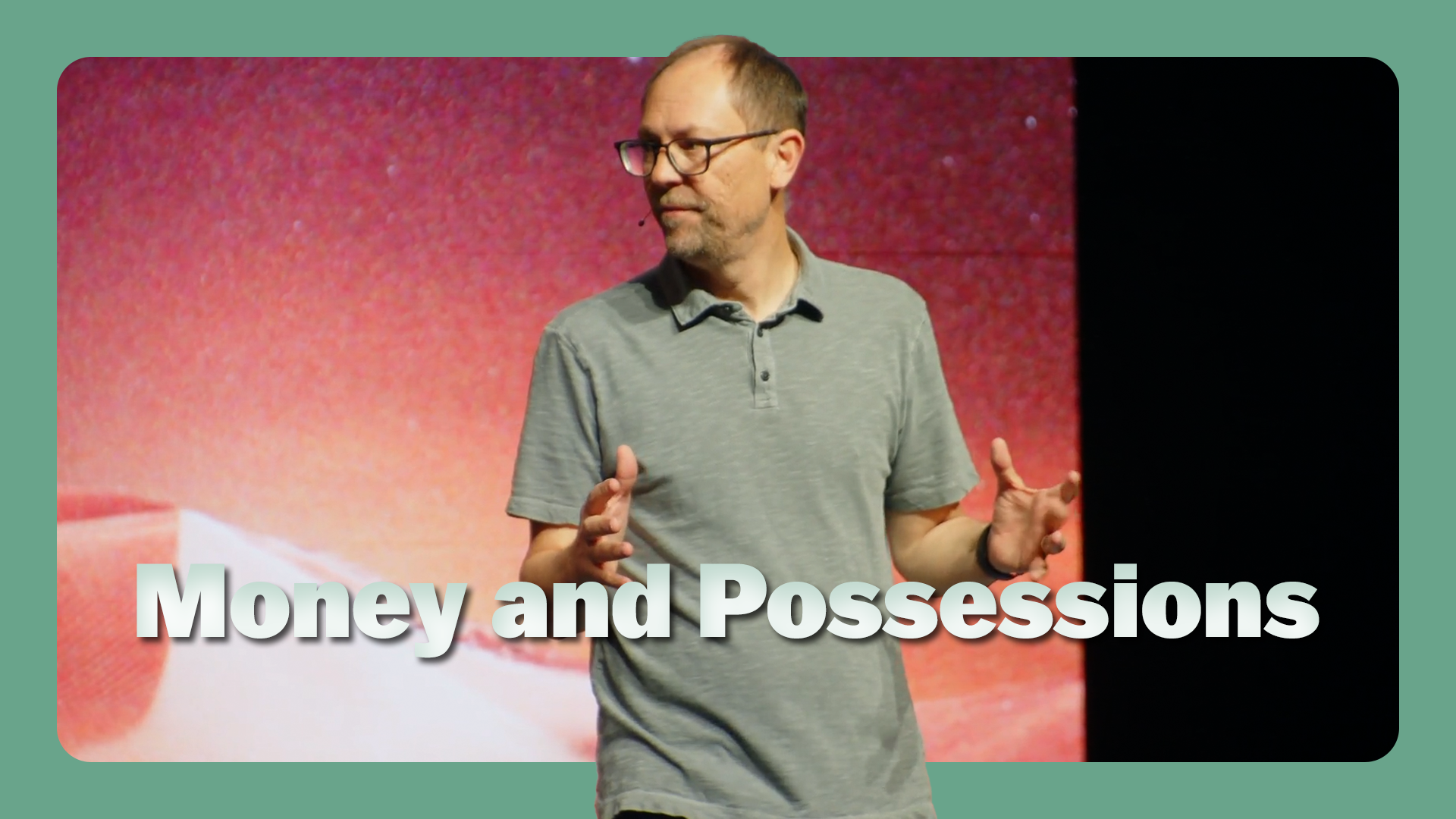
Jesus says not to store up treasures on earth, where everything is temporary, fragile, and passing away. Instead, He tells us to store up treasures in heaven. Why? Because where our treasure is, our heart will be also. That is the issue. This is not just a conversation about dollars and possessions. It is a conversation about devotion. It is about what has our heart. Jesus says plainly – no one can serve two masters. You cannot serve both God and money.
That means money is never just money. It reveals trust. It reveals worship. It reveals where our security really is.
The truth is, every one of us is tempted in one of two directions. Some people are tempted to hoard money. They find security in what they have built, saved, or accumulated. Without realizing it, their trust begins to shift from God to their resources. On the other hand, some people do not hoard money – they worry about it. They live anxious, stretched thin, fearful there will not be enough. But anxiety can also become a form of worship, because your heart stays fixed on the thing you fear most. Whether we cling to money or constantly stress over it, in both cases money can begin to master the heart.
Jesus calls us out of both.
The rich young ruler is a picture of someone whose wealth had become his security. He wanted eternal life, but when Jesus told him to let go of what owned his heart, he walked away sad. Zacchaeus, on the other hand, shows us something different. When Jesus came into his life, his response was joy, repentance, and generosity. He did not see his money as something to clutch. He saw it as a tool to use. That is the difference. For one man, money was a master. For the other, it became a servant in the hands of God.
The same contrast shows up again with Mary and Judas. Mary pours out something incredibly costly at the feet of Jesus – a treasure that could have represented security, future stability, and personal safety. She breaks it open in worship. Judas, meanwhile, calculates the value, questions the cost, and ultimately sells Jesus for silver. Mary surrendered her future into the hands of Christ. Judas tried to secure his future apart from Him. One worshiped Jesus with what she had. The other used Jesus to get what he wanted.
That is still the question before us now: do we own our possessions, or do our possessions own us?
Jesus tells us not to worry about our life – what we will eat, drink, or wear – because our Father already knows what we need. He calls us to seek first the kingdom of God and trust that He will provide. That does not mean money does not matter. It means money is no longer allowed to sit on the throne.
This message is not about shaming people who have wealth, nor is it about condemning people who are struggling. Scripture is clear – wealth itself is not the sin. The issue is whether money has become our trust, our identity, our comfort, or our fear. The call of Jesus is not simply to manage money better. It is to surrender it. To hold it with open hands. To see it as something entrusted to us for the sake of His kingdom.
So the real questions become very personal:
What are you sacrificing for?
What are you worried about?
And where does your money go?
Because if our hearts truly belong to Jesus, it will show up not only in our prayers, our songs, and our fasting – but in the way we live, give, trust, and let go.
God is after more than our words. He wants our worship to become practical. He wants our hearts so fully His that even our finances are yielded to Him. And when that happens, generosity begins to flow. Fear begins to loosen. Trust begins to grow. And our money becomes what it was always meant to be – not a master, but a tool in the hands of God.
The prayer at the end of all of this is simple: Lord, free us from the grip of money. Free us from hoarding. Free us from anxiety. Teach us to trust You. Teach us to live with open hands. And let everything You have placed in our lives be used for Your glory, for the good of others, and for the building of Your kingdom.
Group Questions:
Icebreakers
- What is one thing you have fasted before that was harder than you expected?
- When you were a kid, what was something you thought would make you feel rich?
- Are you more likely to save every dollar or spend it quickly?
- What is one purchase you made recently that you were really happy about?
- If someone gave you $1,000 today and said you had to use it by tonight, what would you do with it?
Opening Reflection
- What part of the sermon stood out to you most, and why?
- How have you experienced this Wilderness Fast so far – encouraging, difficult, revealing, or something else?
- Over the past few weeks, how has God been dealing with the inward parts of your life during this series?
From the Heart to the Wallet
- The sermon talked about how Jesus moves from prayer, forgiveness, and fasting into money and possessions. Why do you think Jesus connects our spiritual lives with our finances?
- What do you think Jesus means when He says, “Where your treasure is, there your heart will be also”?
- In what ways can money reveal what we truly trust or value?
Hoarding and Worrying
- The sermon described two different temptations – hoarding money or worrying about money. Which side do you relate to more, and why?
- How can money become a source of false security?
- How can financial anxiety begin to shape a person’s heart and thoughts?
- The sermon said, “Anxiety is just another form of worship.” What do you think about that statement?
Biblical Characters
- What difference do you see between the rich young ruler and Zacchaeus?
- Why do you think the rich young ruler walked away sad?
- What do you admire about Zacchaeus’ response to Jesus?
- What stands out to you in the contrast between Mary and Judas?
- What does Mary’s sacrifice teach us about worship, trust, and surrender?
Personal Application
- If someone looked honestly at your bank account, what would it reveal about your priorities?
- What is hardest for you when it comes to trusting God with money?
- Have you ever seen God provide for you in a way that strengthened your faith? Share that story.
- What does generosity look like in your current season of life?
- Are there any areas where money has become too important in your heart – security, fear, status, comfort, control?
Group Challenge
- The sermon asked three big questions:
- What are you sacrificing for?
- What are you worried about?
- Where does your money go?
Which of those three questions hits you the hardest right now?
- What would it look like for you to hold your money with more open hands?
- Is there a step of obedience God may be asking you to take – giving, trusting, tithing, simplifying, or surrendering worry?
- How can this group encourage one another toward generosity and trust in God?