

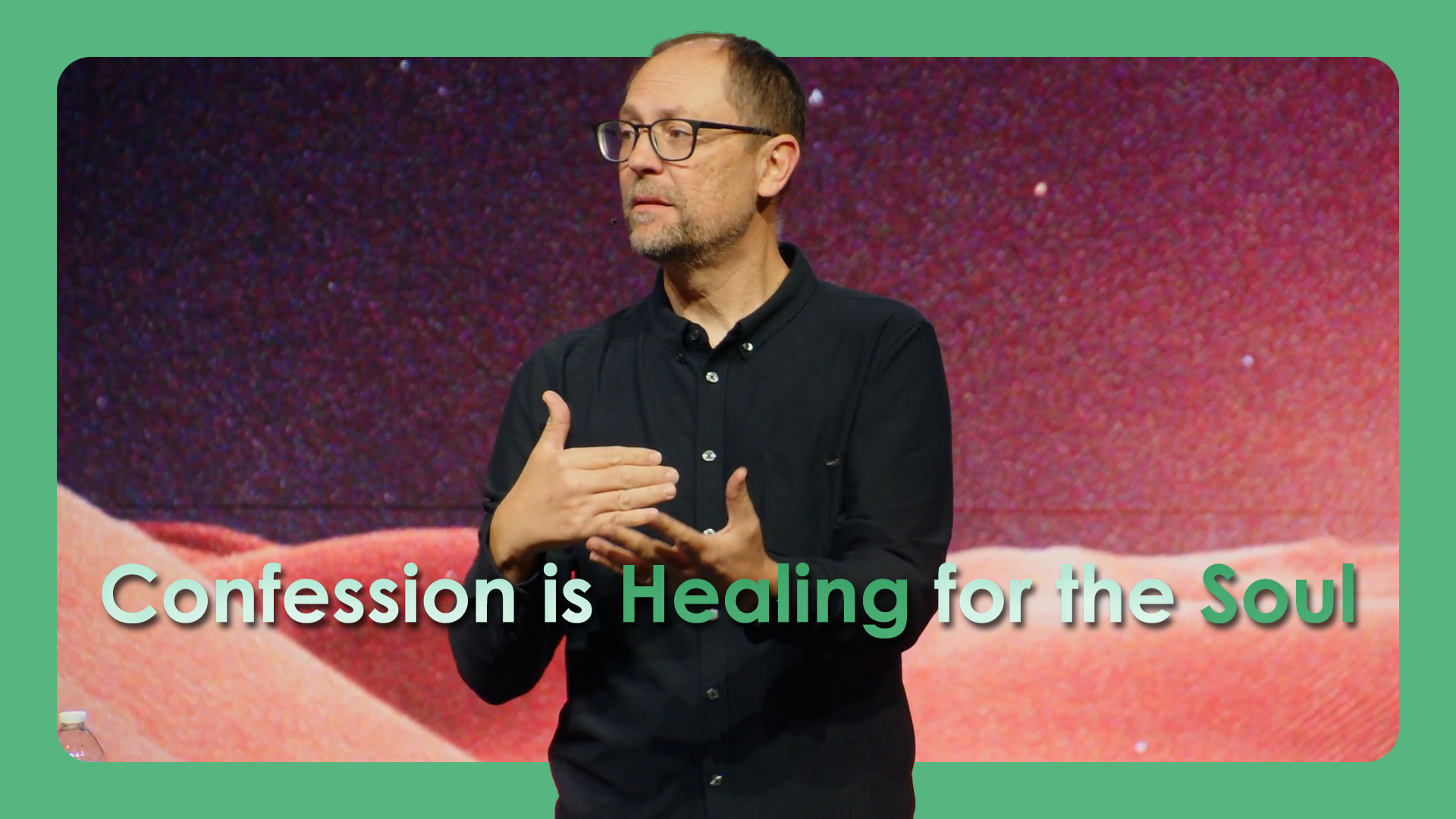
Recap:
As we move through this season of fasting, many of us are discovering something important: fasting has a way of shaking things up.
Last week an illustration was shared that stuck with me. Life before a fast can feel like a snow globe sitting peacefully on a shelf. Everything looks calm. Everything feels settled. But when you enter a wilderness season – when you begin to fast and seek God intentionally – it’s like someone picks up that snow globe and shakes it.
Suddenly everything is swirling. Things that were buried start rising to the surface. Emotions appear. Weakness shows up. Attitudes we didn’t notice before become visible.
And if we’re honest, that part isn’t always comfortable.
Many of us begin a fast with good intentions. We’re motivated. We’re disciplined. We have a plan. But then a few days in we discover something about ourselves. Hunger sets in. Irritation shows up. Patience disappears. We start wondering, “Why am I doing this again?”
But here’s what we have to remember: fasting isn’t just a physical discipline. It’s a spiritual one.
Scripture reminds us that we do not wrestle against flesh and blood, but against powers in the unseen realm. When we fast and pray, we are engaging in something deeper than what we can see or feel. Even when nothing seems to be happening on the surface, God is working in the spiritual realm on our behalf.
And something else begins to happen during a fast.
We start to realize how deeply we need God.
Fasting strips away the illusion that we can handle life on our own. It exposes our dependence. It reveals our desperation for His presence. At some point every follower of Jesus has to come to the simple but profound confession: I need God.
Not occasionally. Not when things get difficult. Every day.
I need God’s wisdom.
I need God’s presence.
I need God’s direction.
And when we admit that, we begin to position our hearts for transformation.
This is where the story of David becomes so powerful.
David was a man who had experienced incredible success. As a young shepherd he defeated Goliath. He became a national hero. He rose to the throne and established Jerusalem as the center of Israel. He brought the Ark of the Covenant into the city and sought to honor God with his life.
But even at the height of his success, David fell into devastating sin.
He committed adultery with Bathsheba. Then, to hide his sin, he arranged for her husband Uriah to be killed. For months David tried to move forward as if nothing had happened.
Until God sent the prophet Nathan.
Nathan confronted David with a simple but piercing statement: “You are the man.”
In that moment David could no longer hide.
And instead of defending himself, he collapsed in repentance. He confessed, “I have sinned against the Lord.” David then entered into a period of fasting and prayer, pouring out his heart before God.
From that moment came one of the most powerful prayers of repentance in Scripture – Psalm 51.
“Have mercy on me, O God, according to your unfailing love…
Wash me clean from my guilt…
Against you and you alone have I sinned…
Create in me a clean heart, O God.”
David understood something profound: sin isn’t just breaking a rule. Sin is breaking relationship with God.
Yes, David had sinned against Bathsheba and Uriah. But in Psalm 51 he focuses on the deeper reality: every sin ultimately violates our relationship with the God who sets the standard of truth.
Sin is sin because God calls it sin.
When we cross that line, something happens inside us. Our hearts become heavy. Our fellowship with God becomes strained. And like David, we begin to recognize how desperately we need cleansing.
This is why David prayed, “Create in me a clean heart.”
The word “create” in that verse is powerful. In Hebrew it is the word bara, a word used only for God’s creative work. It is the same word used in Genesis: “In the beginning God created the heavens and the earth.”
David wasn’t asking God for a simple repair job. He wasn’t asking for a spiritual renovation.
He was asking for a miracle.
Only God can create something new out of nothing. Only God can take a sinful heart and make it clean. That is the miracle of the gospel. Jesus doesn’t simply patch our lives together – He gives us new life.
But even after receiving that new heart, we still walk through a broken world. Our feet still get dirty.
That’s why Jesus washed the disciples’ feet in the Upper Room. He told Peter that those who had already been washed didn’t need another bath – they simply needed their feet cleaned.
In other words, believers don’t need a new salvation every time they fail. But we do need regular confession.
Confession is how Jesus washes the dust of sin from our lives. It restores intimacy. It restores joy. It restores peace.
And sometimes the sin that quietly clings to us the most is unforgiveness.
Unforgiveness is subtle. It hides deep in the heart. It replays old wounds and keeps them alive. It convinces us we are holding someone else captive, when in reality it is imprisoning us.
Scripture warns us about this clearly. Jesus said that if we forgive others, our heavenly Father will forgive us. But if we refuse to forgive, we place a barrier between ourselves and the grace we have received.
When we remember the magnitude of the mercy God has shown us, it changes the way we view others. We have been forgiven an immeasurable debt. Because of that, we are called to release those who have wronged us.
Forgiveness does not always mean trust is restored. Boundaries may still be necessary. But forgiveness means releasing the debt. It means choosing freedom instead of bitterness.
And when we do that, something beautiful happens.
The joy of salvation returns.
The peace of God fills our hearts.
Our relationship with Him is restored.
So during this wilderness season, we are inviting God to search our hearts. Through the penitential psalms we are asking Him to reveal anything that stands between us and His presence.
Group Questions:
Icebreakers
Pick 1-3 to get things going.
- What is something you’ve tried to give up before that was harder than you expected?
- When you hear the word wilderness, what picture or feeling comes to mind?
- Have you ever started something with great enthusiasm and then hit a wall halfway through?
- What is one thing that helps you slow down and hear God more clearly?
- If your current season of life had a weather forecast, what would it be and why?
Sermon Discussion Questions
Opening Reflection
- The sermon compared fasting to a snow globe being shaken up. What stood out to you about that illustration?
- Have you noticed anything being stirred up in your own heart during this season – stress, impatience, fear, hidden sin, dependence on comfort, or something else?
- Why do you think fasting and wilderness seasons often reveal what is really going on inside us?
Needing God
- One of the big themes of the message was this simple confession: “I need God.” Why is that sometimes hard for people to admit?
- In what area of your life do you most deeply feel your need for God right now?
- How can fasting help move us from being self-reliant to being God-dependent?
David, Sin, and Confession
- Read Psalm 51:1-12. What words or phrases from David’s prayer stand out most to you and why?
- David says, “Against you and you alone have I sinned.” What does that teach us about the seriousness of sin?
- Why do you think people often try to ignore, hide, or manage sin instead of confessing it?
- What is the difference between casually saying “sorry” and truly repenting before God?
Create in Me a Clean Heart
- The sermon pointed out that David asked God to create in him a clean heart – something only God can do. Why is that important?
- What is the difference between self-improvement and true spiritual transformation?
- Where do people today tend to look for healing, change, or peace apart from God?
Confession and Ongoing Cleansing
- The message connected David’s prayer with Jesus washing the disciples’ feet. What does that image teach us about confession?
- Why is regular confession important even for believers who already belong to Jesus?
- Have you ever experienced renewed peace or joy after honestly confessing something to God? What happened?
Unforgiveness
- The sermon focused especially on unforgiveness as something that can quietly poison the heart. Why is unforgiveness so dangerous?
- How can unforgiveness affect our relationship with God, others, and ourselves?
- What is the difference between forgiving someone and trusting them again?
- Why do you think forgiveness can feel so difficult, even when we know Jesus calls us to it?
Personal Application
- Is there anything God may be bringing to the surface in your life right now that needs to be confessed?
- Is there anyone you may need to forgive or release to God?
- What would it look like for you this week to pray, “Create in me a clean heart, O God” in a real and honest way?
- How can this group encourage one another to walk in confession, repentance, and freedom this week?