

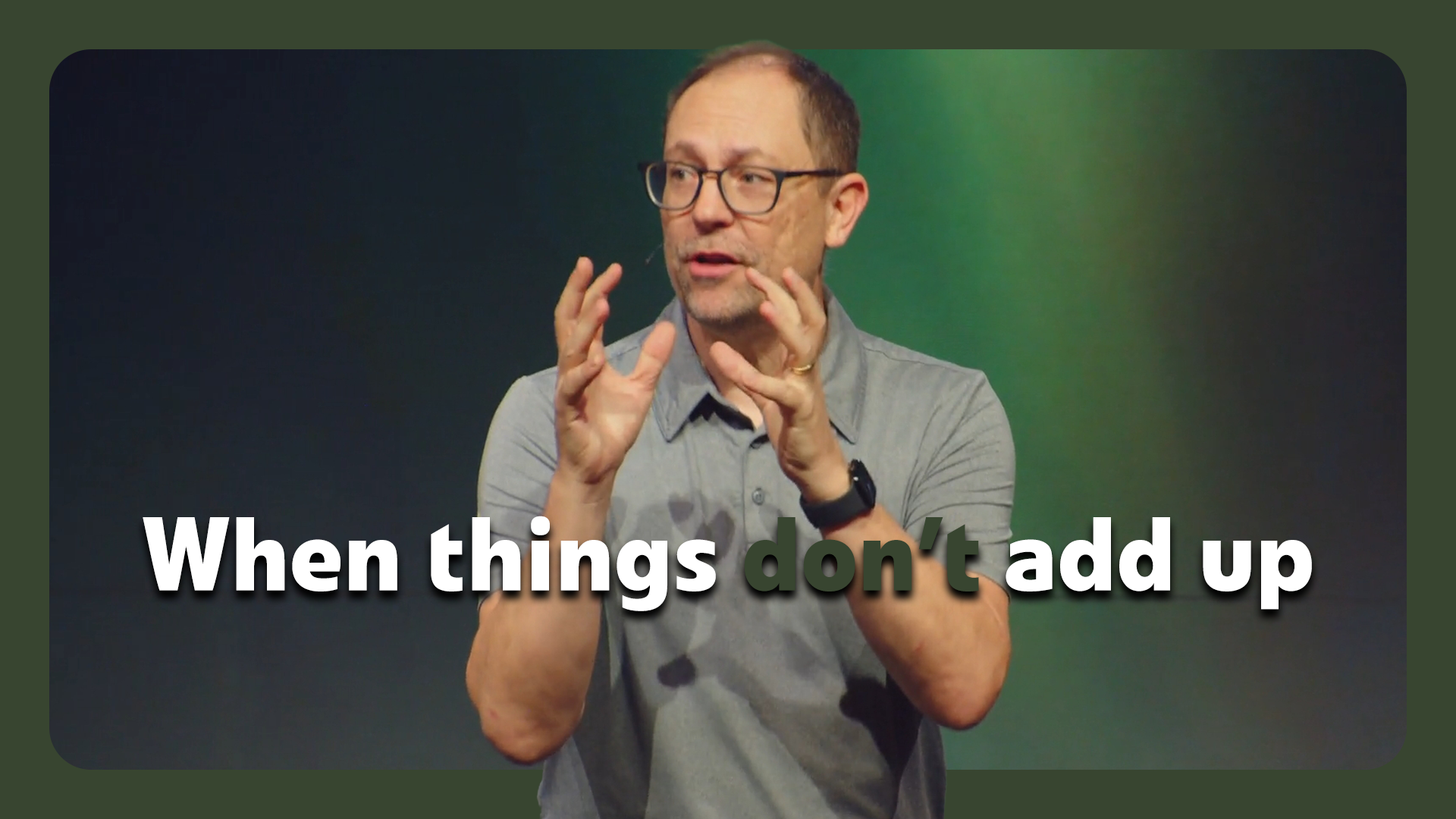
Recap:
What happens to our faith when life doesn’t go the way we planned? When the diagnosis comes, relationships fall apart, or prayers seem unanswered, we often find ourselves asking, God, where are You? Did I do something wrong?
But God’s goodness is not a transaction. Following Jesus doesn’t guarantee a life without suffering, and hardship doesn’t automatically mean God is punishing us.
In John 9 and Luke 13, Jesus challenges the idea that suffering is always connected to someone’s sin. Sometimes life is painful, circumstances don’t make sense, and we simply don’t have the answers.
In Job 1, Satan asks a question that should challenge every believer: “Does Job fear God for nothing?” In other words, does Job love God for who He is, or only because of everything God has given him?
And that’s the question we have to wrestle with, too.
Will we still trust God when life falls apart? Will we still follow Him when the healing doesn’t come, when prayers go unanswered, or when we can’t understand what He’s doing?
Real faith isn’t about having all the answers. It’s about trusting God even when we don’t understand.
This week, allow the Holy Spirit to search your heart. Are you following God because of what He gives you, or because of who He is?
Group Questions:
Icebreaker: What’s something small that went wrong recently and caused you way more frustration than it probably should have? Maybe a flat tire, a broken appliance, or an unexpected expense. How did you react?
Discussion:
- Pastor David said, “God’s goodness is not a transaction.” What does that mean to you? Have you ever found yourself expecting God to bless you because you’ve been doing the right things?
- Why do you think it’s so easy to believe that if we pray, give, attend church, and follow God, our lives should go smoothly?
- In John 9:1–3, the disciples assumed the blind man’s suffering was connected to someone’s sin. How does Jesus challenge that way of thinking? How might we make similar assumptions today?
- Pastor David talked about the difference between transactional theology (expecting blessings for good behavior) and retribution theology (assuming suffering is punishment). Which of these mindsets do you think Christians struggle with most? Why?
- In Luke 13:1–5, Jesus addresses two tragedies and reminds His listeners that those who suffered were not worse sinners than anyone else. What does this teach us about how we should view suffering, both in our own lives and in the lives of others?
- Pastor David said that sometimes we simply have to acknowledge, “God, You’re God, and I’m not.” Why is it difficult to accept that we won’t always understand what God is doing?
- In Job 1:9, Satan asks, “Does Job fear God for nothing?” What is Satan really questioning about Job’s relationship with God? How does that same question challenge us today?
- “Do I love God, or do I love what God does for me?” How can we recognize when our relationship with God has become more focused on His blessings than on who He is?
- Think about a difficult season in your life when God didn’t answer your prayers the way you hoped. How did that experience affect your faith? What did you learn about trusting Him?
- Pastor David challenged us to develop a faith that remains strong even when life doesn’t make sense. What is one area of your life right now where God may be asking you to trust Him without having all the answers?