

Recap:
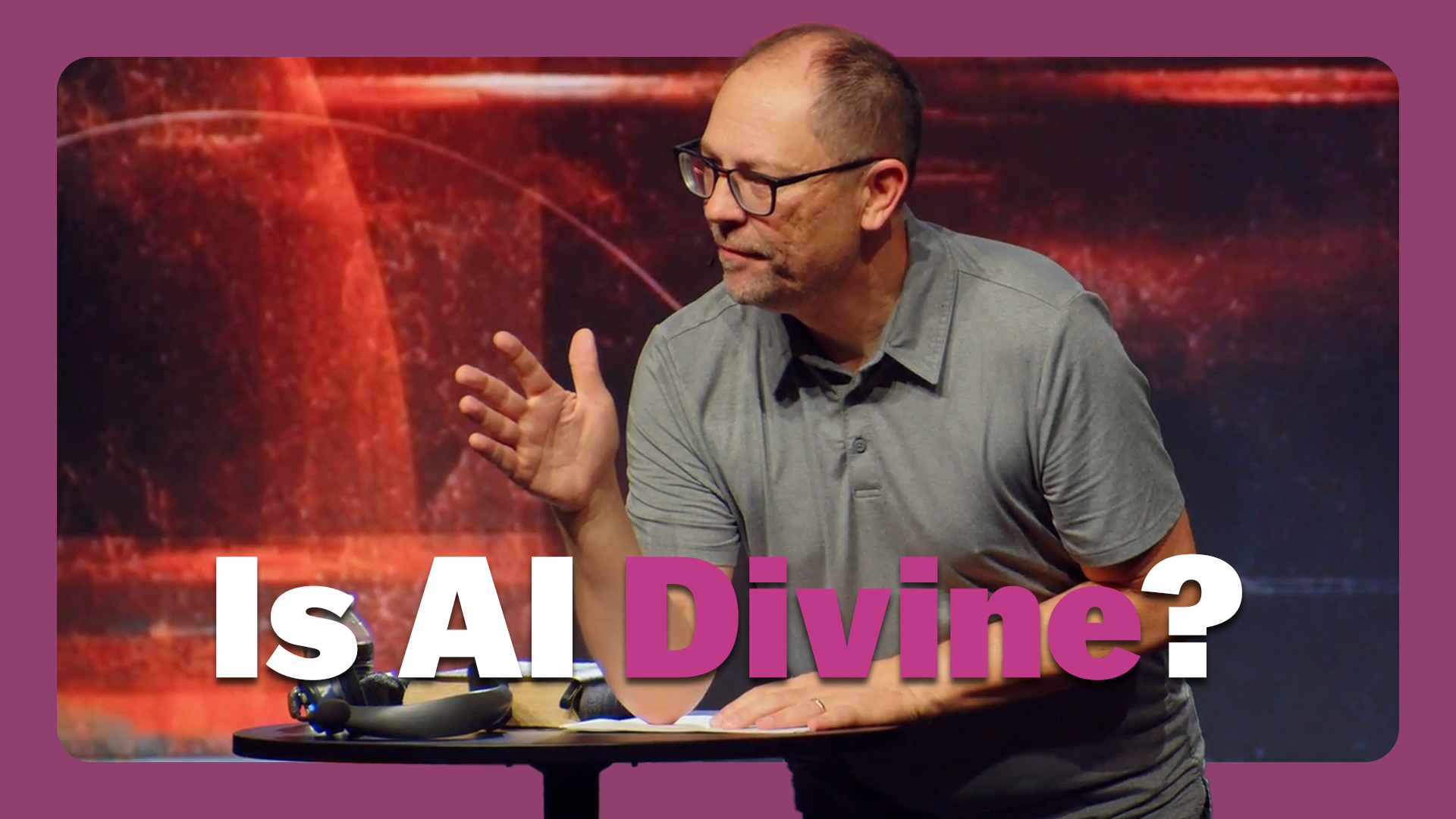
We’re living in a world where it’s becoming harder and harder to tell the difference between what’s real and what’s imitation. That raises an important question for all of us: Are we mistaking an imitation for the real thing?
In Exodus 32, the Israelites had seen God’s power firsthand. They had been delivered from Egypt, walked through the Red Sea, and experienced His provision. But when Moses was gone and God seemed silent, they became restless. They took the gold God had given them and turned it into a golden calf, trading a living God they couldn’t control for something they could manage.
God’s silence is not His absence. Sometimes the quiet reveals where our trust really is. When we don’t understand what God is doing, we can be tempted to reach for something we can see, control, or depend on instead.
And just like Israel, we can take good things, money, success, family, relationships, influence, technology, and begin asking them to give us what only God can provide. The danger is that we don’t always walk away from God completely. Sometimes, we simply edit Him to fit the life we want.
Scripture warns us that we become like what we worship. What is empty will eventually leave us empty. But God is different. His glory carries weight, substance, presence, and life.
That matters deeply in the age of AI. AI can be useful, powerful, and incredibly convincing, but it is still a tool.
Know the difference between a someOne and a someThing.
Use the tool, but don’t give yourself to the tool. You were created in the image of God for real relationship with Him and with real people. Real relationships may involve silence, friction, patience, and sacrifice, but they are real.
Don’t give yourself to a cheap imitation. Stay rooted in what is real, and trust God even when you cannot see what He is doing.
Group Questions:
Icebreaker: What’s something you’ve seen online recently that made you wonder, “Is that real or AI?”
Discussion:
- The sermon asked, “Are we mistaking an imitation for the real thing?” Where do you think that is becoming especially difficult in our culture today?
- In Exodus 32, Israel became restless when Moses was gone and God seemed silent. Why do you think waiting and uncertainty can make us more vulnerable to putting our trust in the wrong things?
- “God’s silence is not His absence.” Have you ever gone through a season when God seemed quiet? What helped you continue trusting Him?
- The Israelites took something God had given them, the gold, and turned it into an idol. What are some good things in our lives that can become unhealthy when we ask them to provide our identity, security, or fulfillment?
- The sermon asked, “What are you melting down?” Is there something good in your life that you may be sacrificing too much for: career, money, success, family, relationships, approval, technology, or something else?
- One of the key ideas was, “We don’t always abandon God. Sometimes we just edit Him.” What might it look like to “edit” God to fit the life we want?
- Psalm 115 teaches that we begin to become like what we worship. What do you think that means practically? How can what receives our attention and devotion slowly shape who we become?
- The sermon encouraged us to “know the difference between a someOne and a someThing.” What boundaries do you think Christians should have when it comes to using AI for information, companionship, advice, or emotional support?
- AI and technology can often give us quick answers without the friction that comes with real relationships. Why might things like patience, disagreement, vulnerability, forgiveness, and sacrifice actually be important parts of real relationship?
- Paul says in 1 Corinthians 10 to “flee from the worship of idols.” Is there an area of your life where God may be asking you to create a boundary, loosen your grip, or redirect your attention?