

Recap:
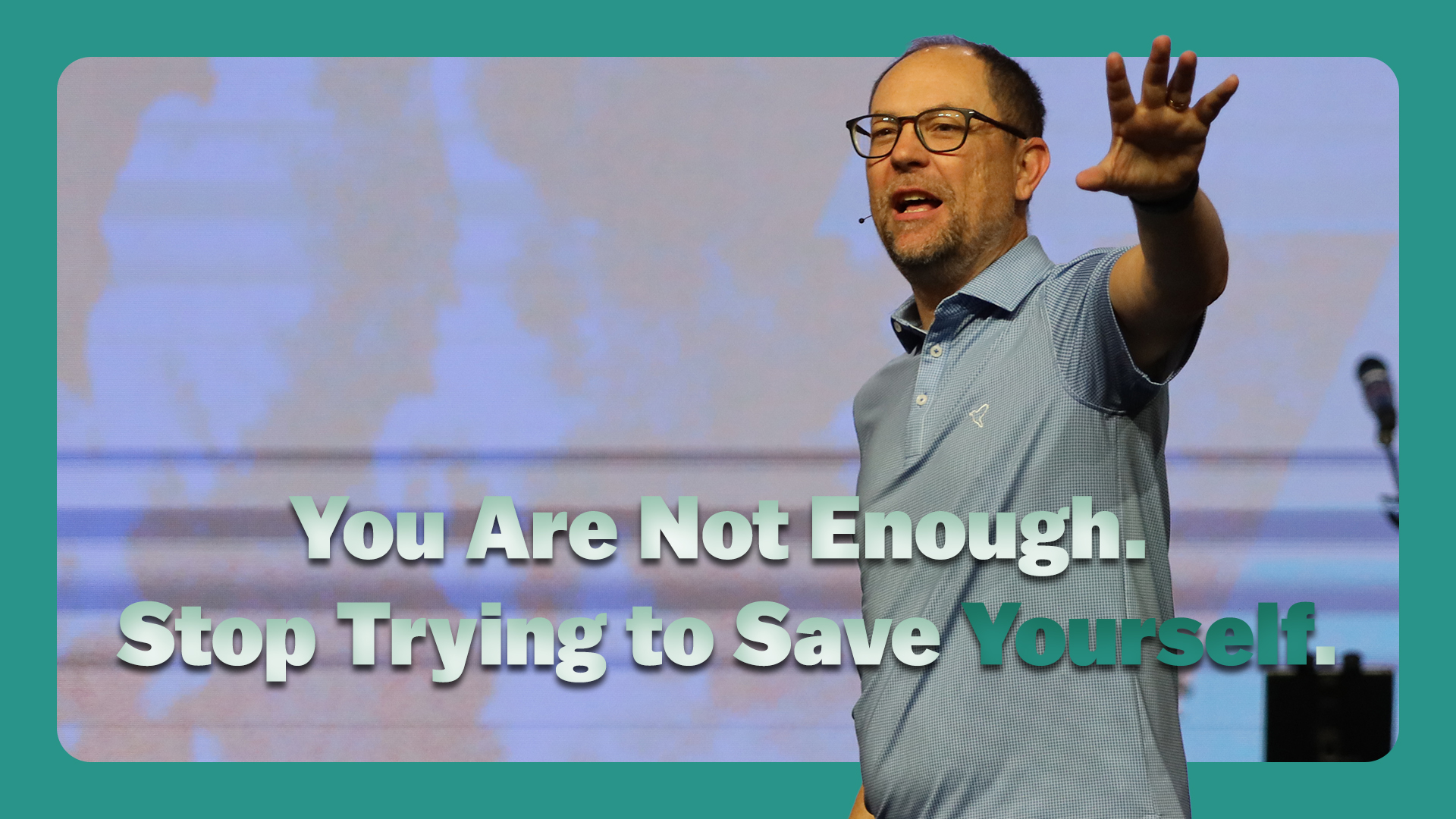
Culture constantly tells us that we are enough, that we have everything we need within ourselves. But the cross tells a different story. Scripture is honest about the condition of the human heart, describing it as deceitful and desperately sick. Paul goes even further, writing that apart from Christ we are dead in our sins. A dead person does not need motivation or self-improvement strategies. A dead person needs resurrection, and that is exactly what Jesus offers. The cross confronts us with the truth that we cannot save ourselves, no matter how hard we try or how good we appear on the outside.
Yet the cross is not only a diagnosis. It is also the deepest expression of God’s love. From the sacrificial system in the Old Testament to the finished work of Christ on the cross, God has always been the one providing what we could not provide for ourselves. His response to sin was never to abandon us. It was to step toward us. The story of Peter is a powerful reminder of this. Peter denied Jesus three times, and yet after the resurrection, Jesus went looking for Peter first, not to condemn him but to restore him. That same grace is available to every person, regardless of what they have done.
Living by the cross means making a daily decision to acknowledge our need for Christ and to follow the way He modeled. Jesus said to take up your cross daily, and that kind of surrender reshapes everything, how we treat difficult people, how we respond to conviction, and how we measure strength. True power, according to the cross, does not come from force or self-sufficiency. It comes from humility. When we stop pretending we are enough and start trusting that He is, that is when transformation begins.
Group Questions:
Icebreaker:
What is one symbol or object that holds a lot of personal meaning for you, and why does it stand out?
Discussion Questions:
- The sermon challenges the popular cultural mantra ‘I am enough.’ Have you ever found yourself believing that message? How did it shape the way you lived or made decisions?
- Jesus says in Mark 7:21-23 that evil thoughts and wickedness come from within a person, not from outside influences. How does that truth challenge the way our culture typically explains human problems?
- The pastor described the heart as deceitful (Jeremiah 17:9) and said that following your heart is not always trustworthy. How do you personally navigate the tension between your feelings and what God’s Word says?
- Ephesians 2:1 describes people as spiritually dead before Christ. The pastor said a dead person does not need a life coach but a resurrection. What does that image mean to you personally?
- The sermon explained that God’s anger toward sin comes from His love, because He wants to remove what separates us from Him. How does understanding God’s wrath in that context change the way you think about it?
- The pastor shared a personal story about badmouthing a leader and feeling like Peter after denying Jesus. Can you relate to a moment when you felt the weight of your own failure? How did God meet you in that place?
- Jesus calls His followers to take up their cross daily (Luke 9:23). What does that look like in a practical, everyday sense for you right now in your current season of life?
- The sermon ends with the idea that following Jesus means He has the right to say no and to rearrange your life. Is there an area where you are resisting that kind of surrender? What makes it difficult?