

Recap:
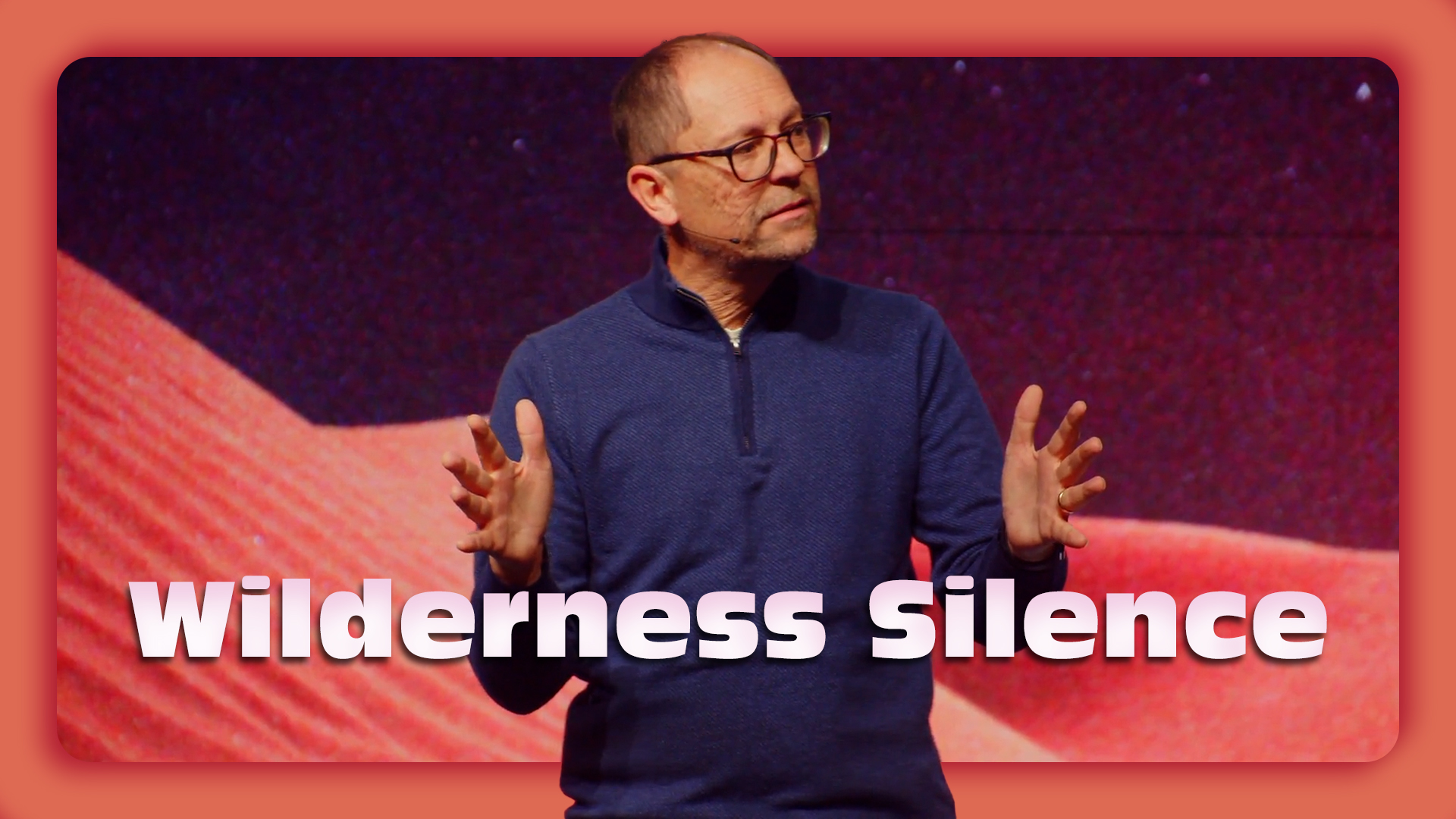
Today is the first Sunday of Lent, and this message really leans into what Lent is all about, slowing down, reflecting, and letting God do deep work in us.
The focus is the wilderness.
Not just wilderness as a hard place. Not just wilderness as loss. But wilderness as a place where we can actually encounter God.
And that theme is all through Scripture. You see it with Israel, Moses, Elijah, John the Baptist, Jesus, over and over again, God uses wilderness seasons to shape His people.
Last week I went to Kyoto, Japan with my son, Jack, to run a marathon. To get to this point we need to go all the way back to the end of August. He, out of the blue, tells me about a marathon in Japan that Nintendo is sponsoring. (If you don’t know me that well, I really like to run.) I, without thinking, tell him that if he runs in the race with me, I’ll pay for his ticket to Japan. And right as I tell him that, he says yes. What starts as a simple conversation turns into months of training and this really meaningful father-son moment. Jack finishes strong and even beats me! But what really matters is how that story sets up this message, because marathon training reveals what is inside of you. It exposes your limits. It shows your endurance. It drains you. And in a lot of ways, that is what the wilderness does too.
Then comes the story of Robert Bogucki, and honestly, it is such a gripping picture. He walks into the Australian wilderness because he wants to find God. He spends 43 days out there in extreme conditions: heat, thirst, isolation, disorientation. And when they finally find him, he says the hardest part is not the heat. Not the thirst. He says it is “the demon of despair.”
That becomes such a powerful picture of where many of us live, somewhere between despair and ego. Despair tells us to give up. Ego tells us to grip tighter. But in the middle of that tension, God wants to meet us with His love.
The big idea is simple and strong: the wilderness exposes us, corrects us, and empowers us.
Elijah’s story in 1 Kings 19 shows all of this. After a huge spiritual victory on Mount Carmel, Elijah crashes emotionally, runs into the wilderness, and says, “I’m done.” It is such a human moment, and such an important reminder that spiritual victory does not make us immune to emotional collapse.
One of the most beautiful parts of the message is God’s response. God does not shame Elijah, He cares for him. He lets him rest, feeds him, and meets him gently.
Before correction, there is compassion. Before direction, there is care.
That becomes a word for the church too. Some people are simply exhausted. And sometimes what we need first is not more pressure, it is rest, honesty, and space to breathe before God.
There is also a meaningful moment of silence in the service, where everyone is invited to ask, “What am I holding on to that I need to let go of?” It becomes a real moment of surrender.
Later, when Elijah encounters wind, earthquake, and fire, God is not in any of them. Then comes the gentle whisper, the sound of sheer silence. And that is where the correction happens. Elijah expects God to move in dramatic ways, but God reminds him that He also works in quietness, hidden faithfulness, and silence.
That lands in a very practical way for us. We live in so much noise, phones, scrolling, social media, nonstop input, and many of us no longer know how to be alone, even while feeling lonelier than ever.
One of the key lines is this: true silence is not just the absence of sound, it is the absence of distraction.
The challenge is to put down the noise and make space for God, because some of His deepest work happens quietly.
The message then points to Jesus being led by the Spirit into the wilderness, reminding us that wilderness is not always punishment, sometimes it is exactly where God leads us to meet Him.
That is why the church is invited into a 30-day wilderness fast from March 1 to March 30, fasting either something that feeds the body or something that feeds the noise. For some, that may be a meal. For others, it may be social media, news, or streaming. The point is not ritual, it is relationship. It is making room to encounter God, confront despair and ego, and receive His love and power.
The message closes with prayer, a call to listen for what God is asking each person to fast, and a gospel invitation, reminding everyone that Jesus is the One who overcomes despair, confronts ego, and gives new life.
Overall, it is a timely call to slow down, embrace silence, and let God meet us in the wilderness, where He exposes, corrects, and empowers us with His love.
Group Questions:
Opening Icebreakers (pick 2-3)
Keep these light and easy to get people talking.
- What is one place (real location) where you feel most peaceful?
- Are you more likely to seek silence, or fill silence with noise (music, podcasts, scrolling, TV)?
- What is something hard you’ve done (training, project, parenting season, etc.) that revealed what was really going on inside you?
- If you had to do a “30-day fast” from one distraction, what would be hardest to give up?
- What is your go-to response when life gets overwhelming, shut down, push harder, distract yourself, ask for help, or something else?
Sermon Discussion Questions
1) Lent and the Wilderness
- The sermon described Lent as a season of slowing down, reflecting, and letting God do deep work. What does that look like for you personally right now?
- When you hear the word wilderness, what do you usually think of: hardship, loneliness, testing, growth, or encounter with God? Why?
- What stood out to you most from the idea that wilderness is not just a hard place, but a place where we can encounter God?
2) Wilderness Reveals What Is Inside Us
- The marathon story showed how training exposes limits, endurance, and what is inside. In what ways has a difficult season exposed something in you lately?
- The sermon said the wilderness exposes us, corrects us, and empowers us. Which of those three do you most need from God right now, and why?
- Robert Bogucki described “the demon of despair.” Have you ever experienced a season where despair felt especially close? What helped (or what do you wish had helped)?
3) Despair and Ego
- The sermon described many of us living between despair (“give up”) and ego (“grip tighter”). Which side do you tend to drift toward when life gets hard?
- How can ego show up in spiritual life (control, performance, self-reliance, image, refusing help)?
- What does it look like, practically, to let God meet us with His love in that tension between despair and ego?
4) Elijah in 1 Kings 19, Compassion Before Correction
- What do you notice about Elijah’s emotional crash after a major spiritual victory? Why is that important for Christians to remember?
- The sermon highlighted: Before correction, there is compassion. Before direction, there is care. What does that reveal about God’s character?
- Have you ever been in a season where what you needed first was not “try harder,” but rest, honesty, and space to breathe? What did that season teach you?
- How can we as a group/church become better at offering compassion before correction to one another?
5) Silence, Noise, and the Whisper of God
- In Elijah’s story, God was not in the wind, earthquake, or fire, but in the gentle whisper. Why do you think God often speaks that way?
- The sermon said, “True silence is not just the absence of sound, it is the absence of distraction.” What distractions most often keep you from hearing God?
- How has constant noise (phones, scrolling, media, nonstop input) affected your spiritual life, positively or negatively?
- What is one simple way you could create space for “sheer silence” this week?
6) Surrender and Letting Go
- The service included the question: “What am I holding on to that I need to let go of?” How would you answer that today?
- Why is surrender often harder than we expect, even when we know God is good?
- What is the difference between giving something up as a ritual versus giving something up to make room for relationship with God?
7) Jesus in the Wilderness and Lent Practice
- The sermon reminds us Jesus was led by the Spirit into the wilderness. How does that change the way you view wilderness seasons?
- Have you ever looked back and realized a hard season was actually a place where God formed you deeply?
- For this 30-day wilderness fast, what do you sense God may be inviting you to fast, something that feeds the body, or something that feeds the noise?
- What do you hope God might do in you during this Lent season if you make room for Him?
Practical Group Response
1) Quiet Reflection (2-3 minutes)
Invite the group into silence and ask them to reflect on:
- What am I holding on to?
- What noise do I need to put down?
- What might God be inviting me to fast?
2) Share (optional)
If comfortable, each person shares:
- One thing I sense God inviting me to release
- One fast or practice I want to try this week
3) Pray for One Another
Pray specifically for:
- Rest for the exhausted
- Freedom from despair
- Humility where ego has taken over
- Courage to embrace silence
- Grace to follow through in Lent