

Recap:
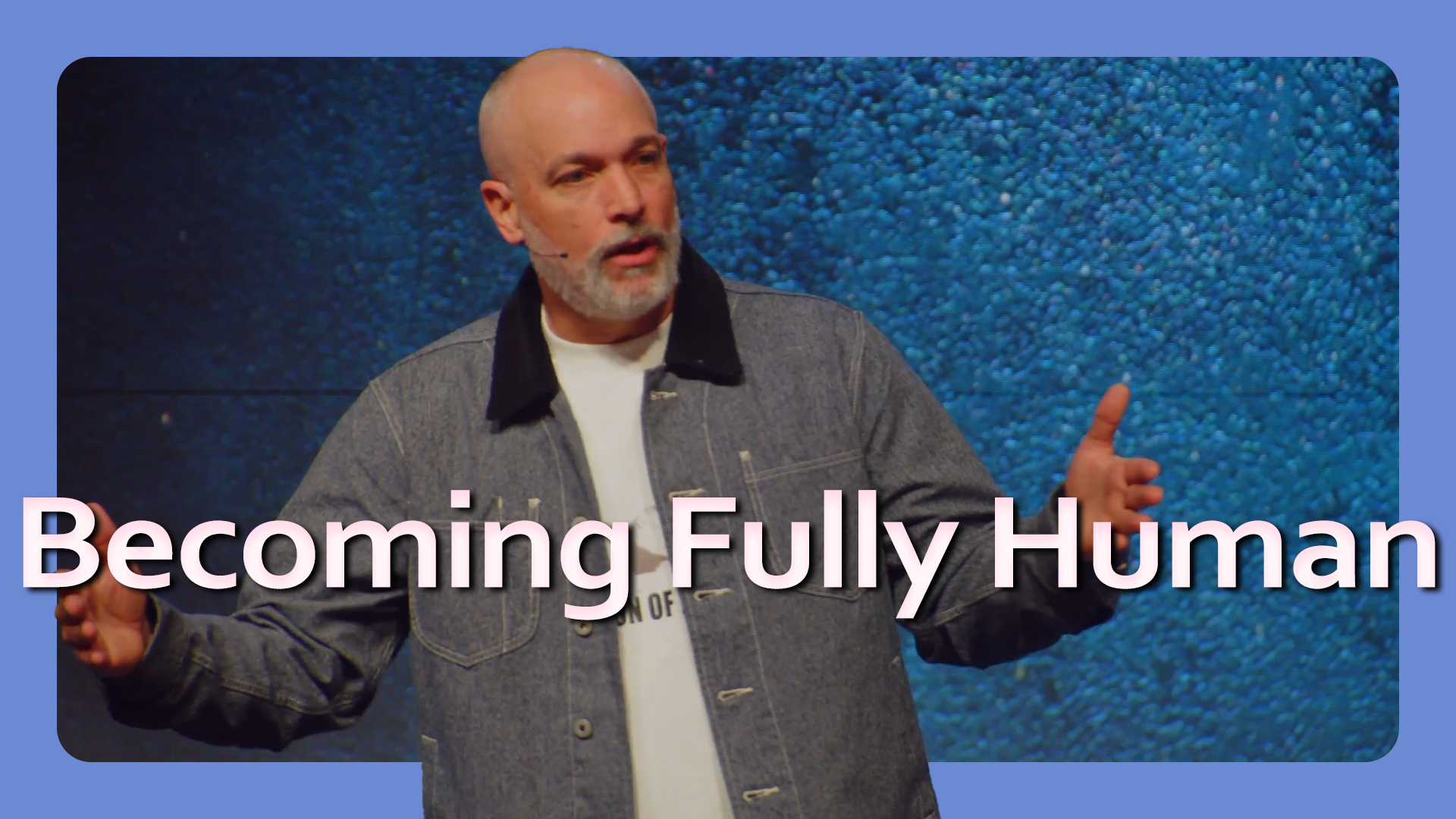
The great longing in every human soul is to become fully human.
We feel it in the quiet moments, when success still feels hollow, when our lives don’t quite match the life we imagined, when we sense that something essential is missing. We were created for more than survival, more than productivity, more than self-protection. We were created for fullness. And yet, so often, we live diminished lives.
Scripture tells us that humanity was created out of nothing, formed by God, filled with purpose, declared good. But when sin entered the world, something fractured. Humanity began to unravel, slowly drifting back toward the nothingness from which we came. Paul describes this in Romans 1: when we stop worshiping God and begin worshiping created things, we do not become more alive, we become less human. We start to resemble the things we worship.
This raises an essential question: What does it mean to be fully human?
Another way to ask it is this: How do we find the good life, the life as it was meant to be lived? We know instinctively that while parts of our lives may be good, this is not yet the fullness God intended. The ache itself is evidence that we were made for more.
The Christian claim is both simple and profound:
Our way back always goes through Jesus.
That answer may sound familiar, even predictable, but it is far deeper than a religious cliché. Jesus is not merely the entry point into faith; He is the restoration of our humanity.
Changing the Story We Tell About God
The first step toward becoming fully human is changing the story we tell ourselves about God.
We are storytelling people. Every one of us lives out of a narrative about who God is, and that story quietly shapes who we are becoming. What we believe about God, often beneath the surface, is the most important thing about us, because we inevitably move toward the God we imagine.
For many, the story of God is distorted. God is seen as angry, distant, judgmental, or cold. Even when we would never say this out loud, our fears and behaviors often reveal that this is the God we believe in.
But Scripture offers us a clearer picture.
Jesus is the perfect image of God.
To see Jesus is to see the Father. This is not a softened version of God or a temporary expression of divine kindness. Jesus is God revealed. When Jesus heals, God heals. When Jesus feeds the hungry, God provides. When Jesus confronts injustice, God’s heart for righteousness is made visible. When Jesus welcomes sinners, God’s mercy is on display.
The world often finds Jesus compelling while remaining suspicious of God. But the gospel insists that there is no separation between the two. Jesus does not correct God, He reveals Him.
If our story about God is broken, the invitation is not to try harder to believe better things. The invitation is to look longer at Jesus. When we truly see Him, our understanding of God begins to heal, and with it, our own humanity.
Becoming Fully Human by Remaining With Jesus
Knowing the truth about God is not merely an intellectual exercise. It is relational.
Jesus invites us to remain in Him, to abide, to stay, to be with Him. Over and over, He repeats the same invitation: Remain in me, and I will remain in you. This is the posture of transformation.
We often seek fruit, changed lives, spiritual power, purpose, blessing, but Jesus tells us that fruit is the result, not the starting point. The first and greatest fruit of remaining in Him is knowing God.
There is no shortcut to this kind of knowing. It is formed through ordinary, faithful practices: Scripture, prayer, silence, reflection. Small moments, repeated over time. Five minutes today. Ten minutes tomorrow. Not perfectly. Not consistently at first. But faithfully.
Day after day.
Year after year.
And slowly, something changes.
Paul describes this change as receiving the mind of Christ. As we remain with Jesus, our thoughts begin to align with His. Our desires are reshaped. Our reactions soften. The false self, the version of us formed by fear, shame, and striving, begins to fade.
Our true life, Paul says, becomes hidden with Christ in God.
This does not erase who we are. It reveals who we were always meant to be. In Christ, we do not lose ourselves, we finally find ourselves.
The Invitation to Wholeness
To become fully human is to live as we were created to live: grounded in God’s love, free from false stories, shaped by the presence of Christ. This journey looks different for every person, but it always begins the same way, with Jesus.
Some may be standing at the very beginning, sensing the need to surrender their lives to Him for the first time. Others may be called simply to remain, to slow down, to stay present, to return to practices that shape the soul.
The invitation is gentle, but it is clear:
What story are you telling yourself about God?
And how might you know Jesus more deeply this week?
Because our way back, to wholeness, to purpose, to true humanity, always goes through Him.
Group Questions:
Icebreakers (Choose 1–2)
- The Ache Question
When was the last time you felt the sense of “there has to be more than this”?
(No pressure to spiritualize it, just share the moment.) - Fully Alive Moments
What’s something that makes you feel most alive, even if it seems simple or ordinary? - Story Starter
Growing up, how would you have finished this sentence:
“God is mostly…”
(Kind, strict, distant, loving, confusing, etc.)
Group Scripture Focus (Optional Read Aloud)
- Romans 1:21–25
- John 15:4–5
- Colossians 3:3
Invite someone to read slowly. Sit in silence for a few seconds afterward.
Discussion Questions
- The Longing to Be Fully Human
- The sermon says “The great longing in every human soul is to become fully human.”
Where do you see that longing show up in your own life right now? - In what ways do you feel full… and in what ways do you feel diminished?
- What We Worship Shapes Who We Become
- Romans 1 suggests that we begin to resemble what we worship.
What are some “created things” that subtly compete for our devotion today? - How have you noticed your loves or habits shaping who you are becoming, for better or worse?
(Leader tip: This isn’t about guilt. Keep it curious, not accusatory.)
- The Story We Tell About God
- The sermon says that the most important thing about us is the story we tell ourselves about God.
How would you describe the “default” version of God you tend to believe in when life is hard? - How does that story affect how you pray, trust, rest, or perform?
- Jesus as the True Image of God
- Why do you think so many people find Jesus compelling but remain unsure about God?
- Which picture of Jesus in the Gospels helps correct or heal your view of God the most, His compassion, His authority, His patience, His honesty, His presence?
- Remaining With Jesus
- Jesus invites us to remain, not rush, achieve, or prove.
What makes remaining with Jesus difficult in this season of your life? - Which ordinary practices (Scripture, prayer, silence, reflection) feel most life-giving to you right now, and which feel most neglected?
- Becoming Who You Already Are in Christ
- The sermon says that becoming fully human doesn’t erase who we are, it reveals who we were meant to be.
What parts of your “false self” (fear, striving, shame, control) do you sense God gently loosening? - What might it look like for your true self to emerge more fully?
Closing Reflection & Practice
Invite the group to slow down.
Reflection Question (silent or shared):
What is one small way I can “remain” with Jesus this week, without trying to produce fruit?
Simple Practice for the Week
- Choose one:
- 5 minutes of silence with God each day
- Reading one Gospel passage slowly
- Writing a short prayer each morning that begins with, “Jesus, show me who You are today.”